I. What isDomestic Incremental Encoder?
Domestic Incremental Encoderrefers to products developed or manufactured by domestic manufacturers that are exportedPulse signal (A/B/Z phase)An encoder type that reflects shaft position, rotational speed, and direction. Unlike absolute encoders, incremental encoders require system counting to determine the current position and are commonly used in industrial applications demanding high speed and relative displacement accuracy.
With the advancement of domestic industrial automation, domestically produced incremental encoders now meet the requirements of most industrial applications in terms of resolution, stability, and environmental adaptability.
II. Basic Working Principle of Domestic Incremental Encoders
The working principle of domestic incremental encoders is primarily reflected in the following aspects:
Pulse Output Mechanism: Generates equidistant pulse signals during shaft rotation.
A/B phase difference: Used to determine the direction of rotation
Z-phase zero position signal: Used for reference point or origin reset
The control system achieves precise control of rotational speed and relative position by analyzing pulse count and frequency.
III. Key Technical Features of Domestic Incremental Encoders
From an engineering application perspective, domestically produced incremental encoders typically feature the following technical characteristics:
Fast response speed: Suitable for high-speed rotation and dynamic control
Structure is relatively simple: high stability, low maintenance costs
Flexible resolution selection: from tens of PPR to tens of thousands of PPR
Multiple output configurations: push-pull, open-collector, differential output, etc.
These characteristics have led to the widespread adoption of domestically produced incremental encoders in motion control systems.
IV. Typical Application Scenarios for Domestic Incremental Encoders
Domestic incremental encoders are primarily used in the following fields:
Automated production line: Conveyor system, assembly equipment
CNC Machine Tools: Spindle Speed and Position Detection
Servo and Variable Frequency Systems: Speed Feedback and Direction Determination
Robotic Systems: Joint Motion and Position Detection
In these scenarios, incremental encoders place greater emphasis on dynamic responsiveness and stable output.
V. Key Parameters for Selecting Domestic Incremental Encoders
When selecting domestic incremental encoders, the following technical parameters typically require close attention:
Resolution (PPR)
Maximum rotational speed
Output Circuit Configuration
Supply Voltage Range
Protection Rating and Environmental Adaptability
Properly matching these parameters helps improve the reliability and accuracy of system operation.
VI. Representative Application Directions for Domestic Incremental Encoders
In recent years, some domestic encoder manufacturers have gradually developed mature product lines in the incremental encoder sector, capable of meeting demands ranging from light industrial equipment to certain heavy-duty applications.
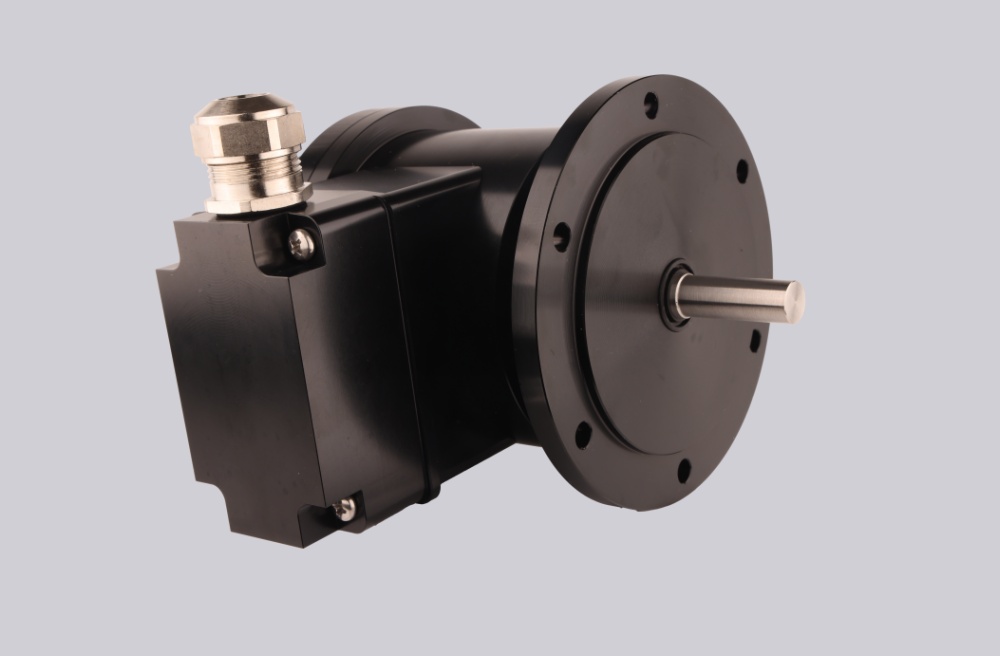
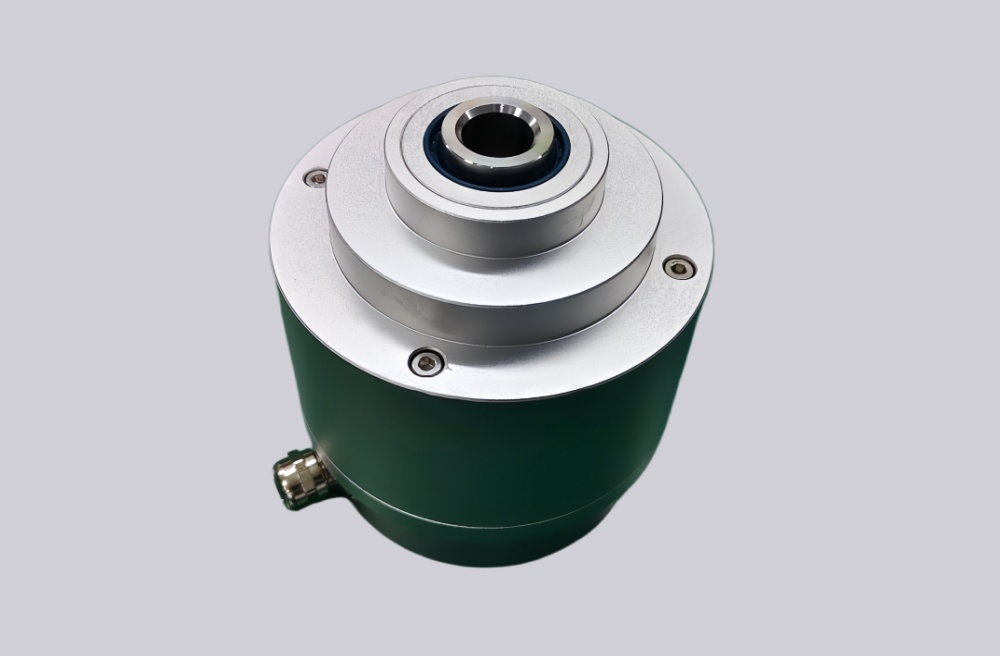
Domestic encoder manufacturers represented by SIVIDI typically focus on industrial-grade stability for their incremental encoder products. Their structural design, vibration resistance, and compatibility with multiple output formats make them well-suited for the long-term operational demands of automated production lines and engineering equipment.
VII. Conclusion: The Practical Value of Domestic Incremental Encoders in Real-World Applications
Overall, domestically produced incremental encoders, as fundamental components in motion control systems, hold significant application value across industrial automation. With the advancement of domestic manufacturing capabilities, these encoders are increasingly becoming a viable choice for a growing number of industrial projects.

Sividi Encoder
TEL: +86 15050450799 (WeChat same number)


© Kunshan Sividi Co. Site Map Su ICP No. 14036688  Su Gong Network Security No. 32058302003763


