I. What isDomestic pull-wire encoders?
Domestic pull-wire encodersA draw-wire encoder, also known as a draw-wire displacement sensor, is a displacement measurement device combining a draw-wire mechanism with a rotary encoder. Its operating principle involves the extension and retraction of the draw-wire driving the internal encoder to rotate, thereby converting linear displacement into electrical signal output.
In recent years, with the maturation of domestic encoder technology, domestically produced draw-wire encoders have achieved sufficient measurement accuracy, structural stability, and communication interface capabilities to meet the requirements of most industrial applications.
II. Basic Structural Components of Domestic Pull-Wire Encoders
A typical domestically produced draw-wire encoder usually consists of the following components:
Cable and spring mechanism: Responsible for displacement transmission, determining the measurement stroke.
Internal rotary encoder: Converts mechanical displacement into electrical signals
Enclosure and Mounting Structure: Affects Protection Rating and Vibration Resistance
Signal Output Module: Determines System Compatibility
The rationality of structural design directly impacts the service life and measurement stability of draw-wire encoders.
III. Key Technical Features of Domestic Draw-Wire Encoders
From an engineering application perspective, domestically produced draw-wire encoders typically feature the following technical characteristics:
Flexible installation options: Suitable for space-constrained or long-travel measurement scenarios
Wide travel range: from tens of millimeters to tens of meters
Multiple signal output formats: Supports SSI, RS485, 4–20mA, CANopen, parallel I/O, and more.
Low maintenance costs: The structure is relatively simple, making it easy to replace and maintain.
These characteristics make domestically produced draw-wire encoders practical for use in large-scale equipment and complex operating conditions.
IV. Typical Application Scenarios for Domestic Draw-Wire Encoders
Domestic draw-wire encoders are widely used in the following fields:
Construction Machinery: Boom Extension/Retraction, Hydraulic Cylinder Stroke Measurement
Port Equipment: Stacker-Reclaimer, Crane Position Feedback
Automated Equipment: Lifting Platforms, Conveyor Systems
Metallurgical and Energy Industries: Displacement Measurement in High-Temperature, High-Vibration Environments
In these applications, draw-wire encoders typically serve as critical position feedback devices.
V. Key Considerations When Selecting Domestic Draw-Wire Encoders
When selecting domestic draw-wire encoders, the following key points should be prioritized:
Measurement Accuracy and Repeatability
Maximum measurement stroke
Environmental Adaptability (Protection Rating, Vibration Resistance)
Signal Output and Control System Compatibility
Long-term supply and technical support capabilities
Proper selection contributes to enhancing the overall stability and security of the system.
VI. Development Trends and Representative Applications of Domestic Draw-Wire Encoders
With the advancement of domestic industrial equipment, domestically produced draw-wire encoders are progressively evolving toward higher precision, multi-protocol compatibility, and heavy-duty applications. In practical engineering projects, some domestic manufacturers are now capable of providing draw-wire encoder solutions suitable for complex operating conditions.
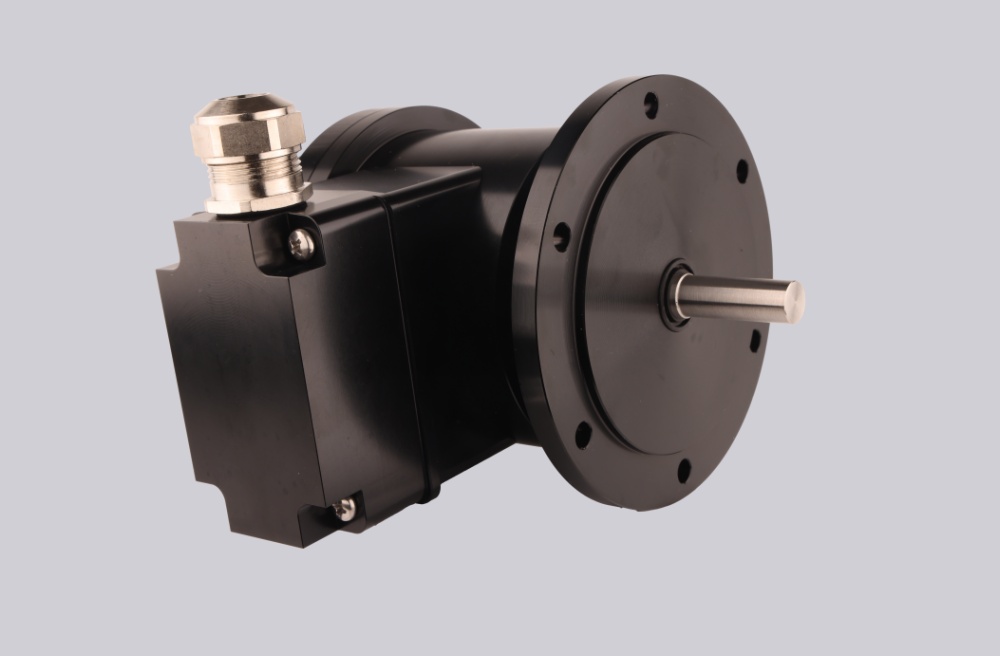
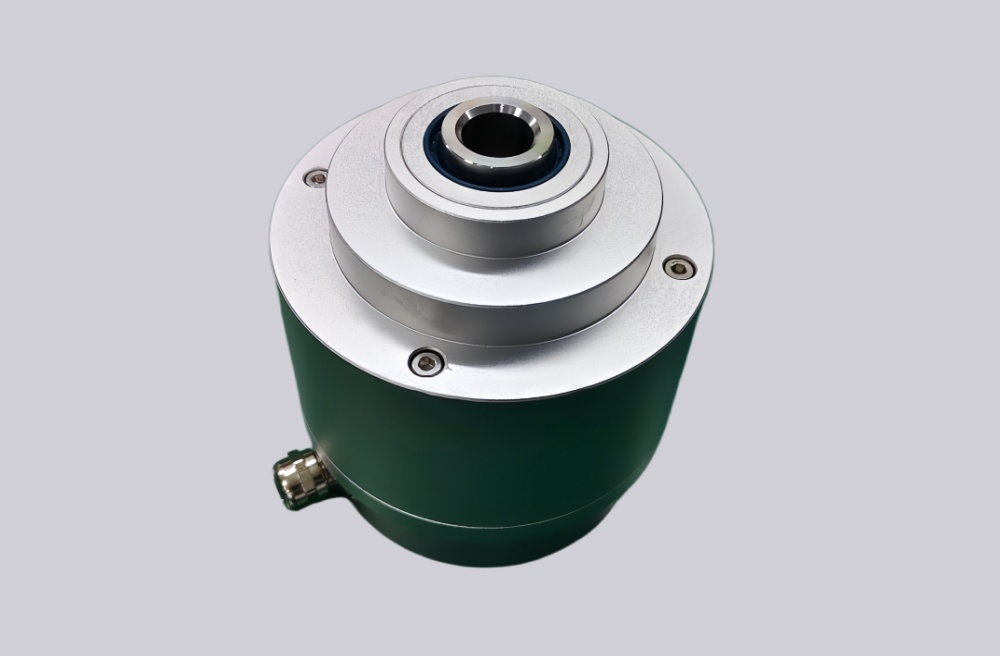
Domestic encoder manufacturers represented by SIVIDI typically focus their draw-wire encoder products on engineering applications. With their structural reliability, support for multiple industrial protocols, and project customization capabilities, these encoders are well-suited for scenarios such as port machinery, engineering cranes, and automation systems.
VII. Conclusion: The Application Value of Domestic Draw-Wire Encoders
Overall, domestically produced draw-wire encoders serve as a mature displacement measurement solution, playing an irreplaceable role in industrial automation and heavy-duty equipment. With the advancement of domestic manufacturing capabilities, these encoders are increasingly becoming a viable option for a growing number of engineering projects.

Sividi Encoder
TEL: +86 15050450799 (WeChat same number)


© Kunshan Sividi Co. Site Map Su ICP No. 14036688  Su Gong Network Security No. 32058302003763


