What is a Domestic Incremental Encoder? An Analysis of Its Working Principle and Application Scenarios
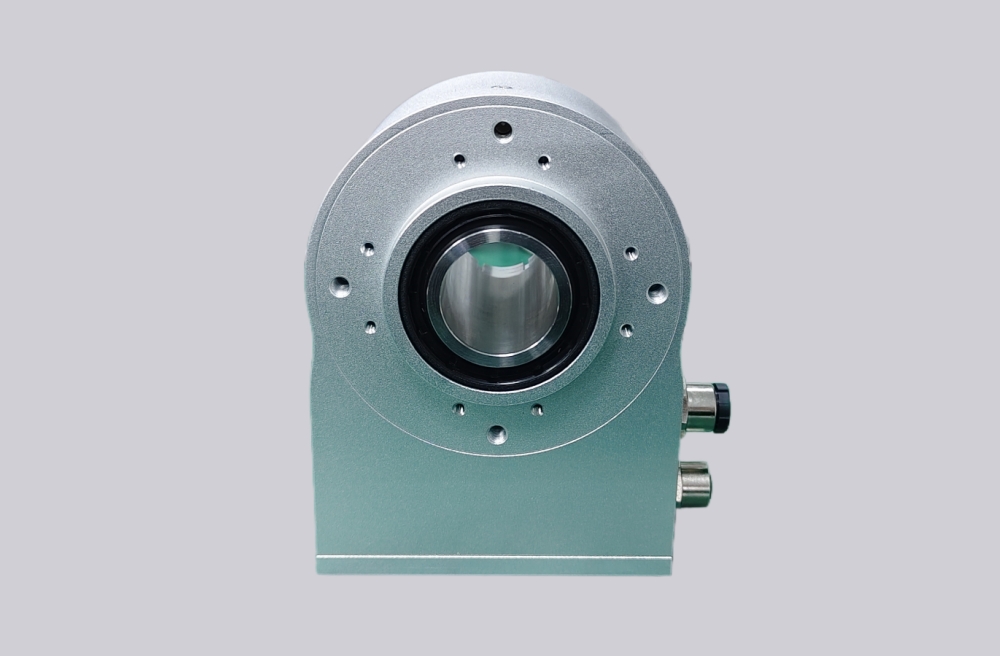
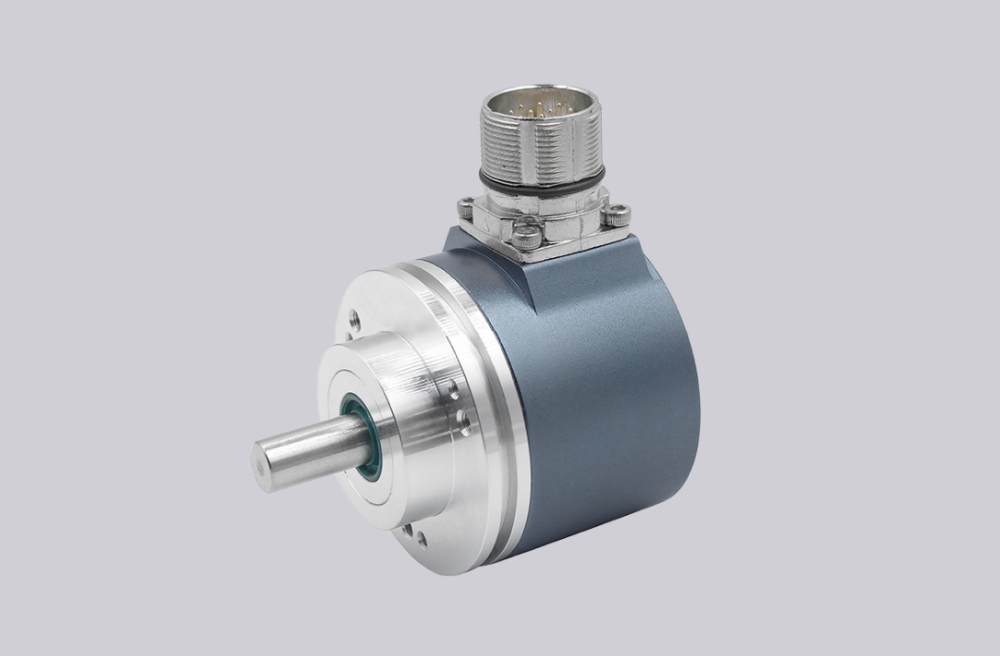
I. What is a Domestic Incremental Encoder? A domestic incremental encoder refers to an encoder type developed or manufactured by domestic manufacturers that reflects shaft position, rotational speed, and direction by outputting pulse signals (A/B/Z phases). Unlike absolute encoders, incremental encoders require system counting to determine the current position and are commonly used in industrial applications demanding high speed and relative displacement accuracy. With the advancement of domestic industrial automation, domestically produced incremental encoders now meet the requirements of most industrial scenarios in terms of resolution, stability, and environmental adaptability. II. Basic Operating Principles of Domestic Incremental Encoders The operational principles of domestic incremental encoders are primarily reflected in the following aspects: Pulse Output Mechanism: Generates equidistant pulse signals when the shaft rotates A/B Phase Difference: Used to determine rotation direction Z Phase Zero Signal: Used for reference point or origin reset The control system analyzes the number and frequency of pulses to...

 Su Gong Network Security No. 32058302003763