I. What isDomestic Absolute Encoder?
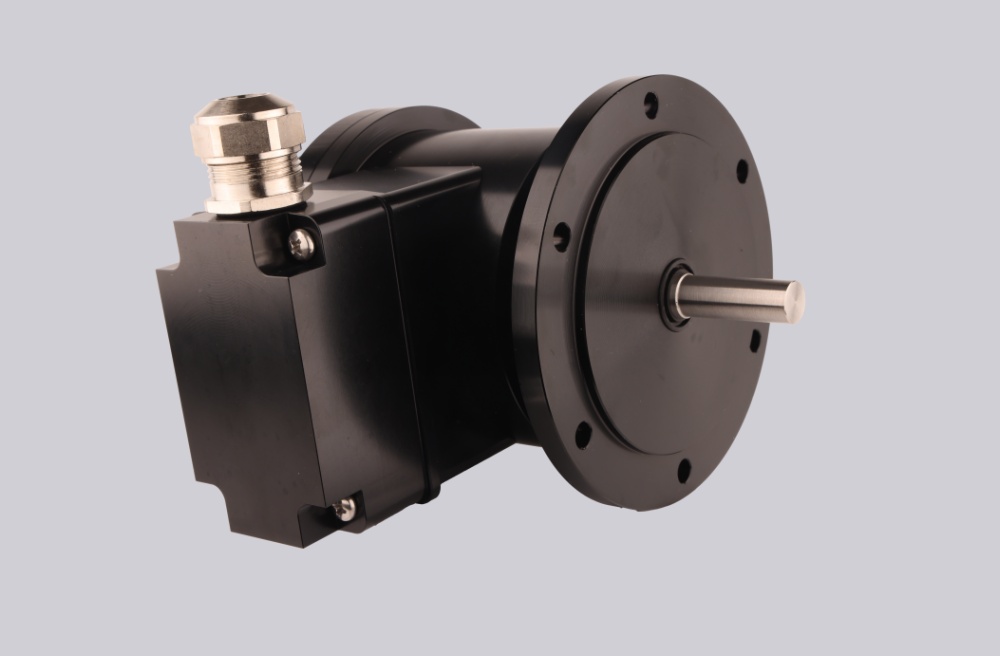
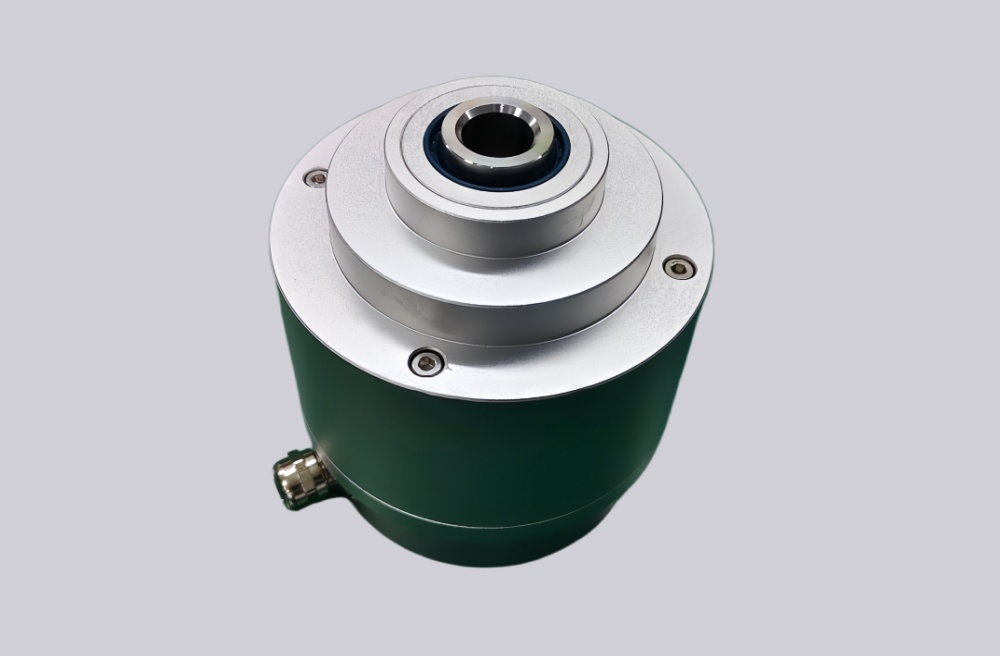
Domestic Absolute EncoderAn absolute encoder refers to a type of encoder developed or manufactured by domestic companies that can retain positional information even after power loss. Unlike incremental encoders, absolute encoders output a unique position signal at any location without requiring a zero-return operation. Consequently, they are widely used in industrial applications demanding high levels of safety and reliability.
With the advancement of domestic industrial measurement and control technology, domestically produced absolute encoders have progressively met the demands of mainstream industrial applications in terms of accuracy, stability, and communication protocol compatibility.
II. Working Principle of Domestic Absolute Encoder
The working principle of domestically produced absolute encoders is primarily reflected in the following aspects:
Unique Encoding Method: Each position corresponds to a unique digital signal.
Multi-turn and single-turn structures: Supports single-turn angular measurement and multi-turn cumulative position
Power-off memory function: Preserves position information without requiring an external battery.
The control system can directly read the current position after power-up, enhancing system safety and operational efficiency.
III. Key Technical Features of Domestic Absolute Encoder
From an engineering application perspective, domestically produced absolute encoders typically feature the following technical characteristics:
No zero return required: Suitable for environments with frequent start-stop cycles or power outages
High reliability: Reduces risks associated with failed zero-return operations
Multiple communication interfaces: Supports SSI, CANopen, Profibus, Profinet, RS485, parallel I/O, and more.
Adaptable to complex operating conditions: Suitable for industrial environments with significant vibration and impact.
These characteristics give domestically produced absolute encoders a distinct advantage in heavy-duty and critical equipment applications.
IV. Typical Application Scenarios for Domestic Absolute Encoder
Domestic absolute encoders are commonly used in the following application areas:
Construction Machinery: Boom Angle and Stroke Position Measurement
Port Equipment: Crane and Stacker/Reclaimer Position Feedback
Automated Production Line: Precision Positioning and Synchronized Control
New Energy Equipment: Wind Power, Photovoltaic Tracking Systems
In these scenarios, absolute encoders typically perform critical safety and position control tasks.
V. Key Considerations When Selecting Domestic Absolute Encoders
When selecting domestic absolute encoders, the following factors should typically be prioritized:
Single-turn / Multi-turn requirements
Resolution and Accuracy Grade
Communication Protocol Compatibility with Control Systems
Installation Method Compatibility with Mechanical Structure
Environmental Adaptability and Protection Rating
Proper selection contributes to enhancing the overall reliability and service life of the system.
VI. Application-Oriented Development Directions for Domestic Absolute Encoder Technology
In recent years, domestically produced absolute encoders have been advancing toward high precision, multi-protocol compatibility, and battery-free multi-turn capabilities. They have established a stable foundation for engineering applications in certain industrial sectors.
Domestic encoder manufacturers represented by SIVIDI typically focus their absolute encoder products on industrial-grade applications. With their protocol compatibility, structural reliability, and project customization capabilities, these encoders are well-suited for scenarios such as construction machinery, port equipment, and automation systems.
VII. Conclusion: The Practical Value of Domestic Absolute Value Encoders
Overall, domestically produced absolute encoders are playing an increasingly vital role in modern industrial control systems. As domestic technological capabilities advance, these encoders are progressively becoming viable options for industrial projects in terms of reliability, safety, and application scope.

Sividi Encoder
TEL: +86 15050450799 (WeChat same number)


© Kunshan Sividi Co. Site Map Su ICP No. 14036688  Su Gong Network Security No. 32058302003763


