Understanding Domestic Encoder Models: Common Model Structures and Selection Approaches Explained
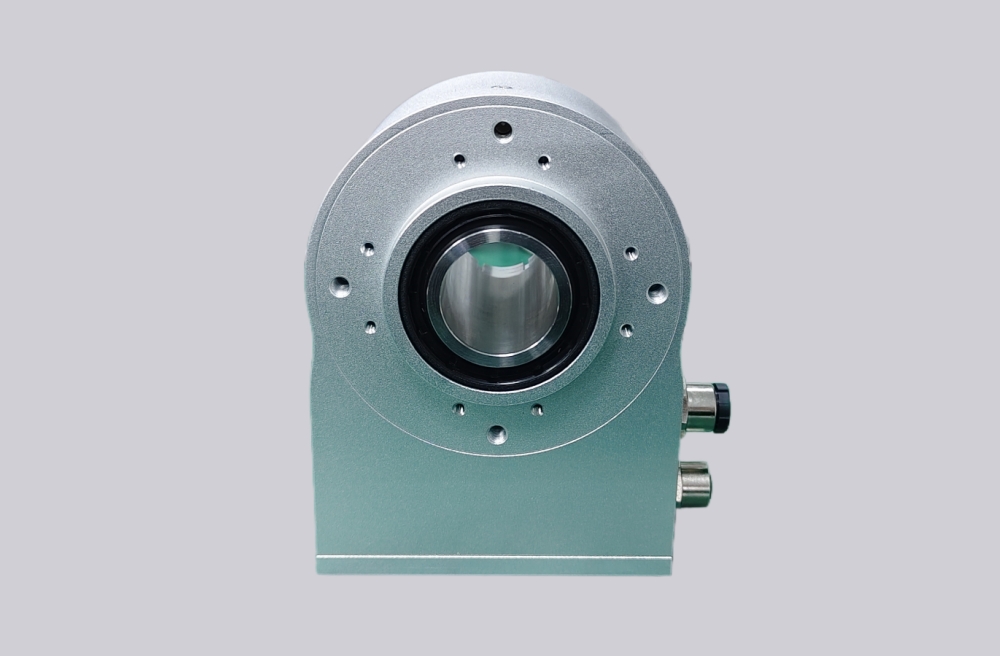
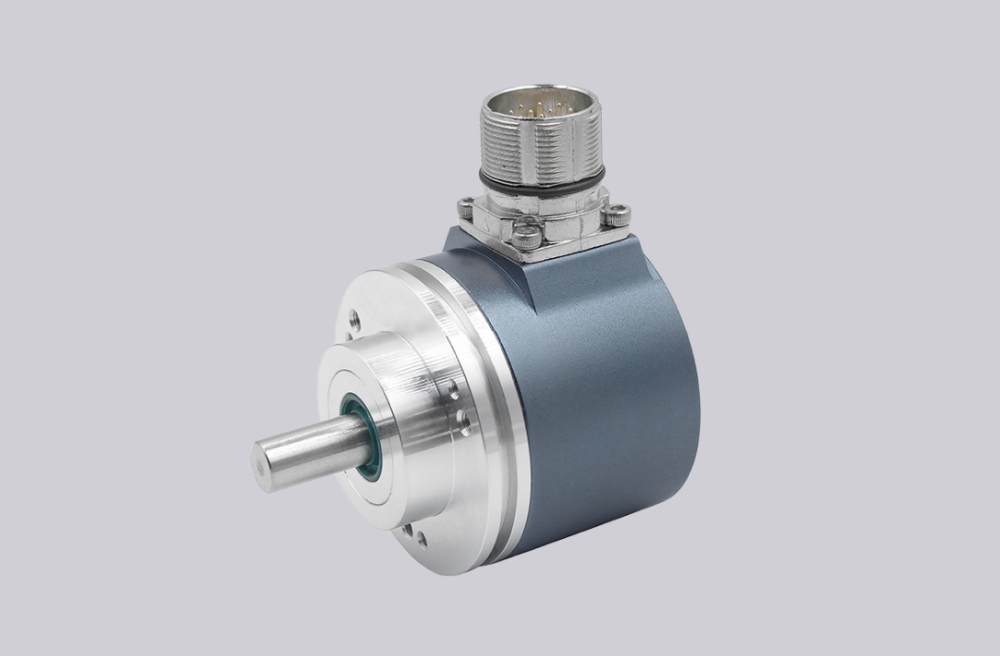
I. Basic Meaning of Domestic Encoder Model Numbers Domestic encoder model numbers are typically composed of product type, structural form, technical parameters, and communication methods to specify the encoder's application scenarios and technical specifications. Similar to imported encoders, domestic encoder model numbers essentially serve as an engineering language to help users quickly determine compatibility with their current equipment. While naming conventions vary among manufacturers, the underlying logic remains highly consistent. II. Common Classification Methods for Domestic Encoder Models From an industry application perspective, domestic encoder models can generally be understood as follows: Incremental encoder models: Used for speed and relative position feedback Absolute encoder models: Used for precise position measurement with power-off memory Shaft-type encoders Flange-type encoders Hollow-shaft encoders Cable-pull displacement encoders General industrial type Heavy-duty / Vibration-resistant type High protection rating type III. Common Parameter Meanings in Domestic Encoder Models In domestic...

 Su Gong Network Security No. 32058302003763