One,Domestic Encoder ModelsThe basic meaning
Domestic Encoder ModelsTypically composed of product type, structural form, technical parameters, and communication methods, it serves to define the encoder's application scenarios and technical specifications.
Similar to imported encoders, domestic encoder models are essentially an engineering language designed to help users quickly determine compatibility with their current equipment.
Different manufacturers have varying naming conventions, but the underlying logic remains highly similar.
II. Common Classification Methods for Domestic Encoder Models
From an industry application perspective, domestic encoder models can typically be understood as follows:
- Classified by operating principle
Incremental Encoder Model: For speed and relative position feedback
Absolute Encoder Model: For precise position measurement with power-off memory
- Classified by structural form
Shaft-type encoder
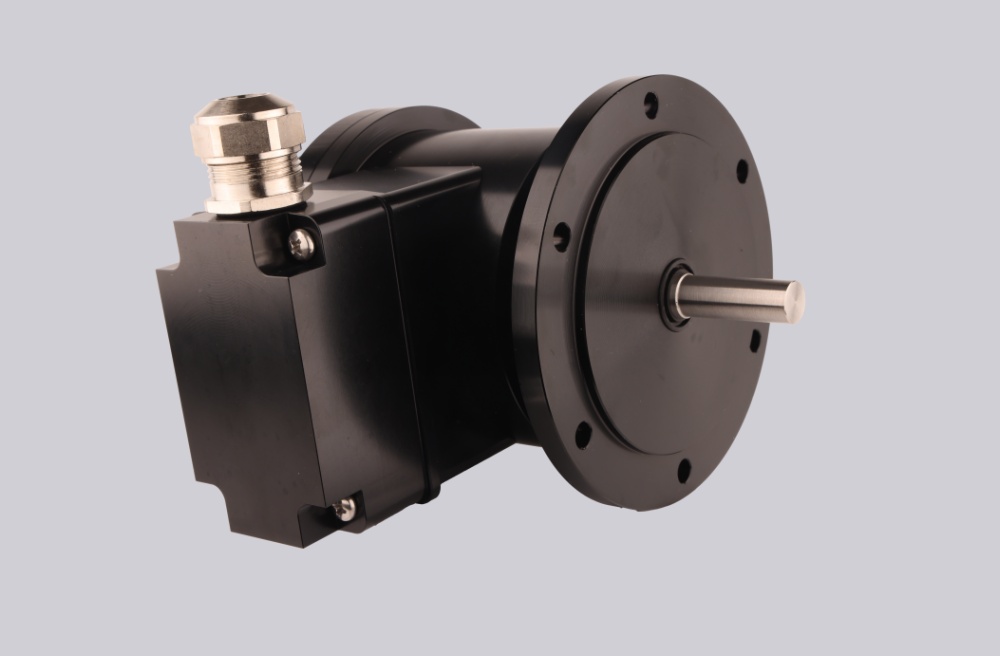
Flange-Mount Encoder
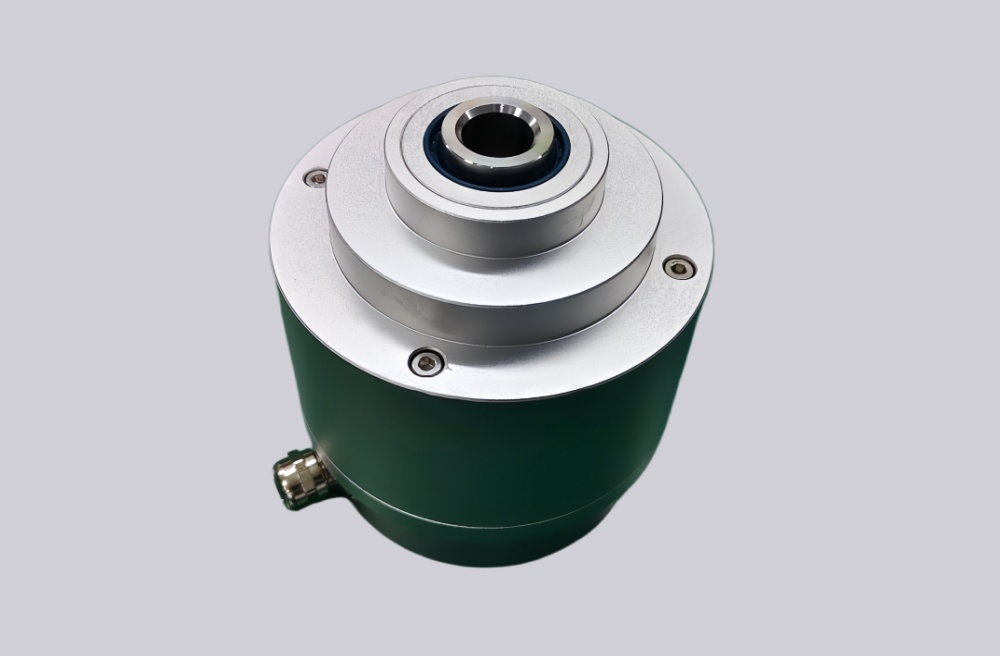
Hollow Shaft Encoder
Draw-Wire Displacement Encoder
- Classified by usage environment
General Industrial Type
Heavy-duty / Vibration-resistant
High Protection Rating Type
III. Common Parameter Meanings in Domestic Encoder Models
In domestic encoder models, the following key parameters are typically implied or explicitly specified:
Resolution / Bit Depth (e.g., 1024 PPR, 17-bit, 21-bit)
Output signals or protocols (SSI, CANopen, Profibus, Profinet, RS485, parallel I/O, 4-20mA, etc.)
Shaft Diameter and Mounting Method
Power Supply Voltage Range
Ingress Protection Rating (IP)
These parameters collectively determine whether the model is suitable for specific equipment.
IV. Correspondence Between Domestic and Imported Encoder Models
In engineering practice, many users are concerned about:
Can domestic encoder models replace imported ones?
The standard practice is not to search for “exactly the same model name,” but rather to compare the following core elements:
Do they operate on the same principle?
Is the communication protocol compatible?
Is the resolution the same as the accuracy grade?
Are the mechanical installation dimensions compatible?
Provided these conditions are met, domestic encoder models can serve as functional engineering alternatives.
V. How to Properly Select Domestic Encoder Models?
During the selection process, it is recommended to follow these steps for evaluation:
Specify whether it is an incremental or absolute encoder.
Confirm the communication protocol required for the control system
Confirm resolution and measurement range
Verify mechanical installation methods and dimensions
Consider environmental factors (vibration, temperature, protection rating)
Understanding the logic behind model numbers is more important than simply memorizing them.
VI. Development Trends of Domestic Encoder Models
As domestic encoder technology matures, the model system is showing the following trends:
Enhanced Multi-Protocol Integration
More comprehensive model coverage
Increasing number of customized models for engineering projects
Model Naming Gradually Becomes Engineering-Based and Standardized
This also significantly enhances the viability of domestic encoders in complex industrial projects.
VII. Conclusion: Understanding the Value of Domestic Encoder Models
Domestic encoder models are not merely simple product codes, but rather a comprehensive representation of application scenarios, technical capabilities, and engineering adaptability.
In practical projects, understanding model structures enables more efficient selection and enhances system stability.

Sividi Encoder
TEL: +86 15050450799 (WeChat same number)


© Kunshan Sividi Co. Site Map Su ICP No. 14036688  Su Gong Network Security No. 32058302003763


