Wind Power Encoder: The Critical Sensor for Enhancing the Precision and Reliability of Wind Power Generation Equipment
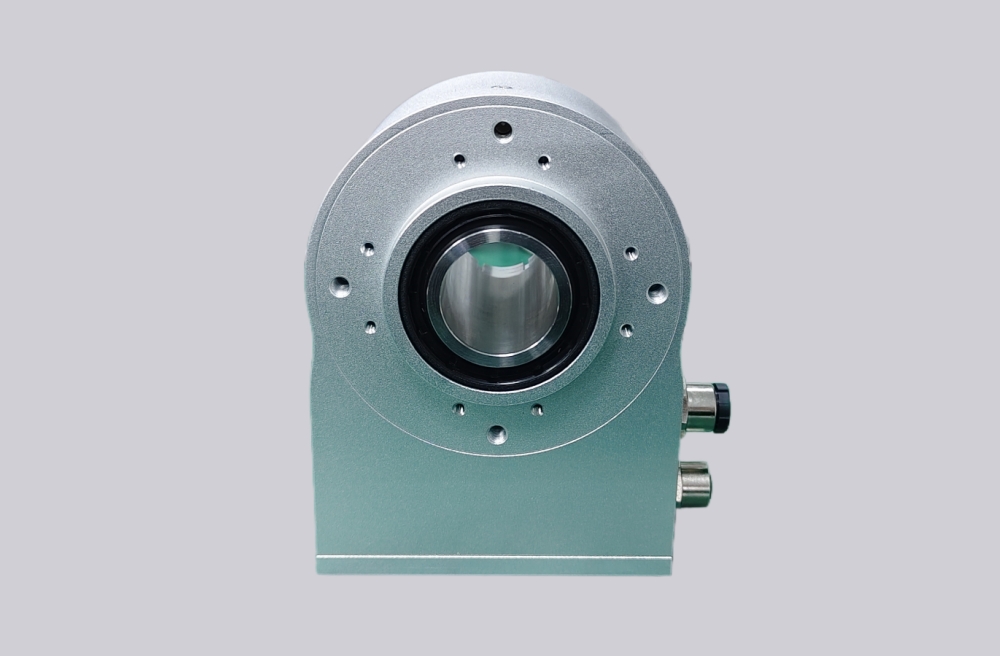
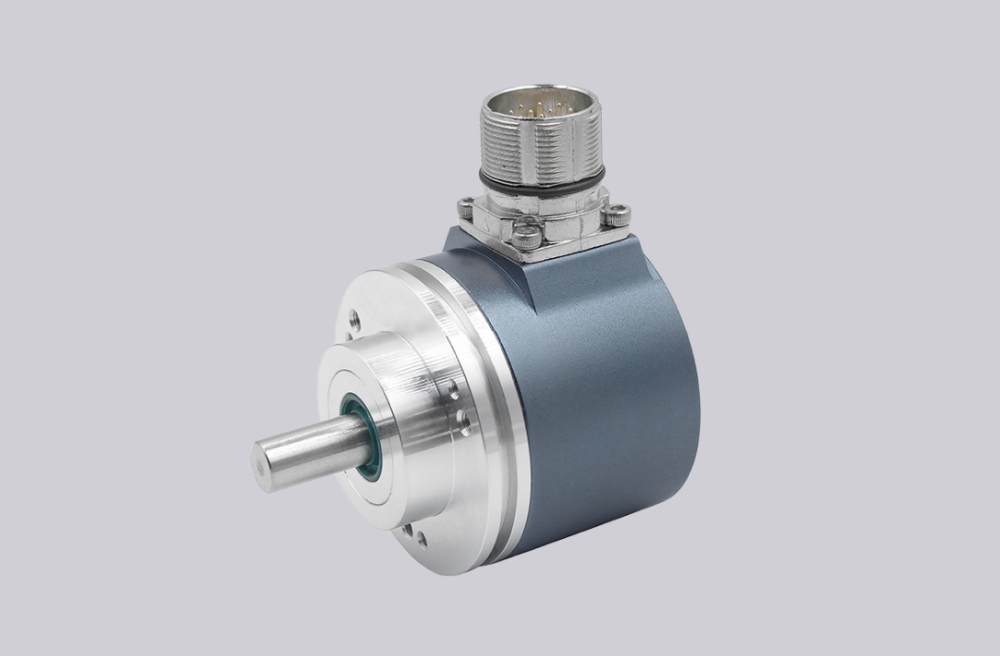
In wind power generation systems, wind encoders serve as critical rotational measurement and control sensors, widely applied in measuring blade angle, yaw control, and main shaft rotational speed for wind turbines. By converting rotational motion into electronic signals, wind encoders provide high-precision angle and speed feedback, delivering reliable data support for efficient operation and safety monitoring of wind power equipment. I. Overview of Wind Power Encoder Wind power encoders are typically installed in the yaw mechanism, blade pitch system, or main shaft position monitoring areas of wind turbines. Key features include: - Providing stable, reliable angle and rotational speed feedback to ensure efficient power generation and safe operation of wind turbines. II. Advantages of Domestic Production XWDI offers a complete domestic wind turbine encoder solution with the following advantages: Domestically produced wind turbine encoders fully replace imported products in terms of precision, reliability, and supply speed, providing high controllability and...

 Su Gong Network Security No. 32058302003763